






31 July, 2026
新闻
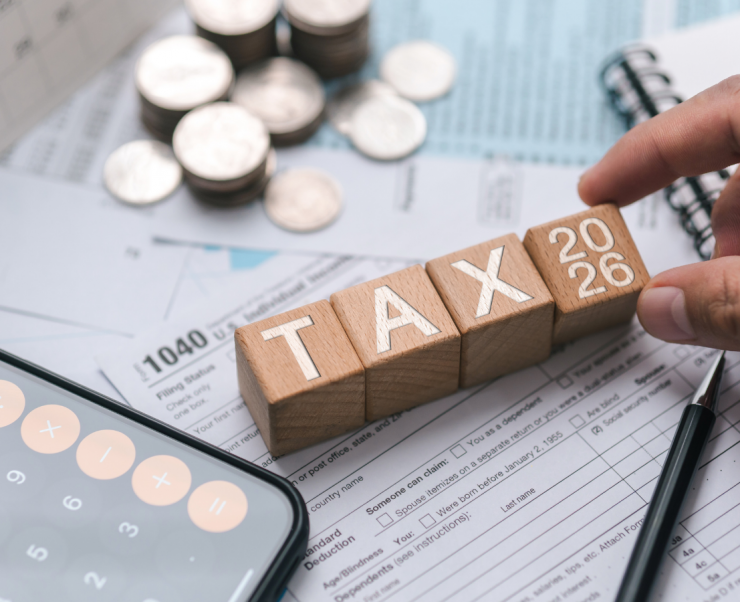
The escalation of the of the China-United States trade war and the raise of tariffs on Chinese products from 10 to 25%, and the geographical position of Vietnam, has lead this country to become a sort of economic and industrial asylum for numerous China-based companies.
Thanks to its very large sea access, its proximity with China that allows manufacturers to quickly sell and move equipment across the border, and its lack of implication in the trade war between the two super powers, Vietnam stands as an obvious choice of relocation for companies, especially manufacturers, that want to continue to do business with the US without suffering from the trade war tariffs. An other attractive aspect of Vietnam is its ASEAN membership that not only helps companies to sell and move goods and equipment from China to Vietnam and vice versa, but also facilitates trade with its ASEAN neighbours. And a last important point is that Vietnam has a stable government and average wages are still cheap.
An idea that often comes back in many publications is that the China-US trade war is a blessing for the Vietnamese economy reflected in the phraseological expression “when two are fighting, the third wins”, but is that actually the case for Vietnam?
It is now self-evident that in order to avoid the impact of the trade war, many China-based enterprises have shifted their investments to Vietnam. This kind of “economic refugees” is of course helping to boost the development of numerous Vietnamese economic sectors, especially manufacturing. Nonetheless this unexpected change on the market is starting to pose challenges to Vietnamese businesses since they are beginning to encounter more and more competition from the Chinese companies, especially in terms of human resources, raise of salaries and land prices.
More of that, it is important to remember that not all Chinese businesses are abandoning the Chinese market for good. Quite often China-based investors are only establishing businesses which aim at supplementing their Mainland China operations with low-cost input sources from markets such as Vietnam.
It should be emphasized that this situation is still fairly new, it is not yet clear what is and what will be the Chinese manufacturers main business approach while moving their activities to Vietnam. Indeed there are already some manufacturers that, instead of buying property and installing production equipment, simply rent a warehouse in Vietnam in order to “launder the label” of goods already produced in China, i.e. change the label “Made in China” into “Made in Vietnam”. To do this, they are actively checking whether they can legally “launder the label” of Chinese products transiting through Vietnam on their way to the United States, or whether they can sell them under different product headings or even by just sending them to Vietnam for a simple transfer to the United States. This kind of practice was already identified by the US in March 2018. As a reaction the US imposed new tariffs on Vietnamese steel products in order prevent steel products originating from China from bypassing US anti-dumping rules. Subsequently the Vietnamese government issued new regulations to control the origin of exported and imported goods.
As a conclusion, at this point of time (end of May 2019) Vietnamese economists and businesspeople have a mixed view about those unexpected developments. “It is not clear how much added value Vietnam will get,” said Pham Chi Lan, who served for 10 years as an economic adviser to former prime ministers Phan Van Khai and Vo Van Kiet. It is also difficult to assess what kind of impact this new tendency to move China-based business to Vietnam will have on the Vietnamese economy, and on its diplomatic relationships with China and the US.